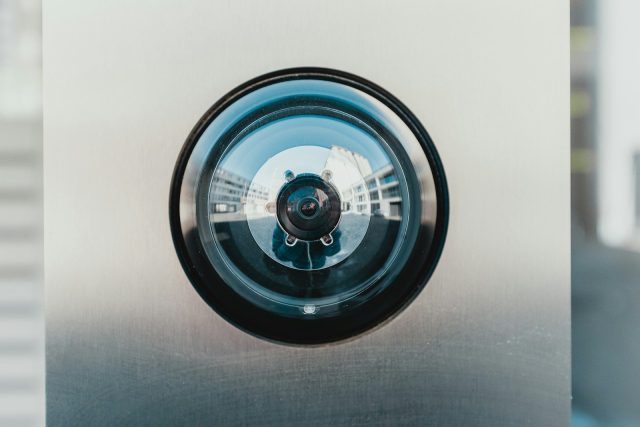
A 20-second clip from a neighbor’s doorbell camera can influence a criminal investigation before anyone in the video knows it exists. The footage may appear in a neighborhood group chat, get forwarded to several households, or circulate online with captions suggesting what happened. By the time police become involved, people may already have formed opinions based on a recording that shows only part of the incident.
That’s one of the challenges of neighborhood surveillance. Cameras originally installed to monitor front porches and driveways now capture interactions that can become evidence in criminal cases. For someone appearing in a widely shared clip, understanding how the footage might be used and what to do next can be important.
When a Doorbell Clip Becomes Potential Evidence
Video doorbells can capture incidents that otherwise might have gone undocumented. A recording may show someone approaching a property, interacting with another person, or leaving an area near the time of an alleged offense. When shared through the Ring Neighbors app, community social media groups, or private messages, that footage can reach potential witnesses and law enforcement.
The difficulty is that a short clip rarely tells the complete story. It may lack the events leading up to an encounter, show only a limited camera angle, or contain unclear audio. Captions and comments can also introduce assumptions about the people involved, even when their identities or actions haven’t been verified.
Once footage circulates, recovering every copy becomes difficult. Someone who discovers they’re being discussed in connection with a possible crime may benefit from contacting a criminal defense law firm before responding publicly or approaching the person who shared the recording.
Why Asking a Neighbor to Delete the Video Can Create Problems
Discovering that a neighbor has shared footage involving you can be unsettling, especially if the video is misleading or attracting unwanted attention. Asking for its removal may seem like a reasonable first step, but that request can create additional complications when a criminal investigation is underway or reasonably anticipated.
Several considerations matter:
- Other copies may already exist. Removing the original post doesn’t erase footage that others have downloaded, forwarded, or saved. Investigators may still obtain those copies.
- Deletion requests can raise questions. Asking someone to remove a public post isn’t automatically evidence of wrongdoing. However, efforts to destroy or conceal potentially relevant evidence may become significant depending on the circumstances and intent.
- The neighbor may be a witness. Contacting someone who possesses relevant footage can create additional communications that investigators may examine, particularly if the interaction appears threatening or coercive.
- Written exchanges may be preserved. Messages requesting removal, explaining an incident, or disputing the video’s accuracy can become part of the evidence collected during an investigation.
Posting an explanation beneath the video carries similar risks. Even well-intentioned comments may be interpreted differently when compared with witness statements or other recordings. Someone concerned about potential criminal allegations should consider seeking legal advice before discussing the incident publicly.
How Police Can Obtain Ring Doorbell Footage
A common misconception is that police always need a warrant to obtain footage from a privately owned doorbell camera. In reality, a homeowner can generally choose to provide their own recording voluntarily, without officers first obtaining a search warrant.
Ring also offers a Community Requests feature that allows eligible local public safety agencies to ask residents for footage related to an investigation. Participation is voluntary, and Ring states that agencies receive only the videos users choose to provide through that process.
Footage stored by a camera manufacturer may also be available through other legal channels. As Consumer Reports explains, law enforcement may obtain recordings through valid legal demands, while certain emergency circumstances can permit disclosure without the account holder’s consent. The applicable requirements depend on how the footage is stored and the circumstances of the request.
Even when police lawfully obtain a recording, its admissibility and evidentiary value may still be challenged. Questions about authenticity, identification, image quality, and missing context can affect how much weight the footage receives.
What to Do When a Doorbell Video Has Already Been Shared
If a recording involving you is circulating in connection with a possible criminal investigation, the priority should be preserving relevant information and avoiding actions that could complicate the situation.
- Document your timeline. Preserve relevant messages, receipts, location records, and other information that may help establish where you were and what happened. Avoid altering or deleting original records.
- Identify publicly available copies. Record where the footage appeared, when it was posted, and any accompanying captions or comments. Screenshots may help preserve this information.
- Avoid public arguments. Refrain from debating the incident in neighborhood groups or contacting potential witnesses about changing or removing evidence.
- Consult an attorney promptly. Criminal defense counsel can evaluate the recording, identify missing context, and determine whether preservation requests or other legal steps are appropriate.
Doorbell footage can be valuable evidence, but a recording doesn’t always capture everything necessary to understand an incident. When a short clip spreads through a neighborhood before investigators review it, assumptions can develop faster than the underlying facts.
Preserving relevant information, avoiding unnecessary public statements, and obtaining legal guidance can help protect someone’s rights while the circumstances surrounding the recording are examined.