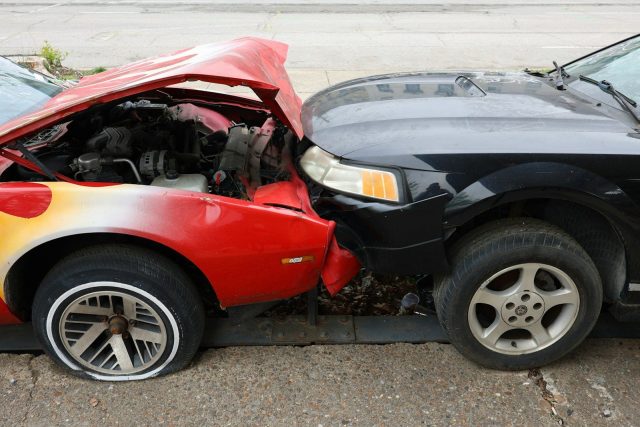
The first few days after a car accident are always pretty chaotic. You’re dealing with a combination of physical pain, stress, and maybe even financial pressure. Everything feels urgent at the same time. And in the middle of all of it, the thing that should matter most, your physical recovery, gets pushed to the back of the line because everything else feels more demanding.
However, that’s a mistake. And it’s going to cost you in ways you probably won’t recognize until much later. Your body’s ability to heal is time-sensitive. So the decisions you make in the first days and weeks after a crash directly affect how completely you recover. Prioritizing your healing is the most important thing you can do.
Get Medical Attention Right Away
Don’t hold off on getting medical attention – not even for a day. Even if you feel okay, you need to be seen by a doctor. Adrenaline masks pain in the hours following a car accident. Soft tissue injuries and internal injuries often don’t present obvious symptoms right away. You might feel fine walking away from the scene and wake up the next morning unable to turn your neck. That’s just kind of the way it is.
Getting evaluated by a medical professional within 24 hours of the accident creates two things:
- First, it identifies injuries that need treatment before they worsen.
- Second, it creates a medical record linking your injuries to the accident, which matters enormously if you end up filing a claim.
Tell the doctor everything you’re feeling, even if it seems minor. Let the medical professional determine what’s significant and what isn’t. Downplaying your symptoms to seem tough doesn’t help your recovery (and can actually hurt your claim if your condition worsens later).
Follow Your Treatment Plan Completely
Your doctor or physical therapist gives you a treatment plan for a reason. Make sure you follow every part of it. This means:
- Attending every appointment.
- Doing your physical therapy exercises at home, not just during sessions.
- Taking prescribed medications as directed.
- Wearing the brace or using the support device for as long as recommended.
- Resting when you’re told to rest, even when you feel like you should be doing more.
Gaps in treatment are one of the first things insurance companies look for when evaluating a claim. A two-week stretch where you didn’t attend physical therapy can get interpreted as evidence that you weren’t that hurt. Consistent treatment simultaneously protects your health and your legal position.
Let an Attorney Handle the Insurance Fight
Here’s where most people lose their ability to focus on healing. The insurance company starts calling. They want statements and medical records. They’ll also start making offers. If you aren’t careful, you can find yourself in a position where they’re taking control of the situation and putting pressure on you to accept a lowball agreement. But that’s not something you have to deal with on your own.
Hiring a personal injury attorney moves the entire insurance process off your shoulders. Your attorney handles the calls, manages the paperwork, communicates with the adjusters, etc. They’ll also evaluate the offers and tell you when one is worth considering and when it isn’t.
The psychological relief of knowing someone competent is handling the legal and financial side of things is a big deal. The stress of fighting an insurance company while you’re in pain and unable to work compounds the difficulty of recovery. Removing that stressor lets your energy go where it needs to go.
Most personal injury attorneys work on contingency, meaning you pay nothing unless they recover compensation for you. That means there’s no excuse for not hiring a lawyer to work on your behalf.
Rest Without Going Completely Inactive
Your body needs rest to heal – that’s not debatable. But total inactivity for extended periods creates its own problems. It can lead to stiff joints, poor circulation, and mental health side effects.
Let your doctors and therapists give you a treatment plan for managing the balance of rest and physical activity. For most injuries, some level of gentle movement is encouraged relatively early in the recovery process. Walking, light stretching, and low-impact activity keep blood flowing and prevent the secondary problems that come from just sitting still.
Take Nutrition Seriously
Your body is doing repair work, and it needs adequate resources to do that work. This includes a diet that’s rich and balanced in:
- Protein to support tissue rebuilding.
- Anti-inflammatory foods (like leafy greens, berries, and fatty fish) to help manage swelling.
- Adequate hydration to keep joints lubricated and support circulation.
- Calcium and vitamin D to support bone healing if fractures are involved.
You don’t need a perfect diet. However, you do need to give your body reasonable fuel during a period when it’s working harder than normal. A few intentional choices each day add up over weeks of recovery.
Adding it All Up
Nothing matters more than your physical and mental health after a car accident. The more you can prioritize smart, proactive choices, the more efficient and predictable the healing process will become. Now’s the time to lock in and follow a smart plan!