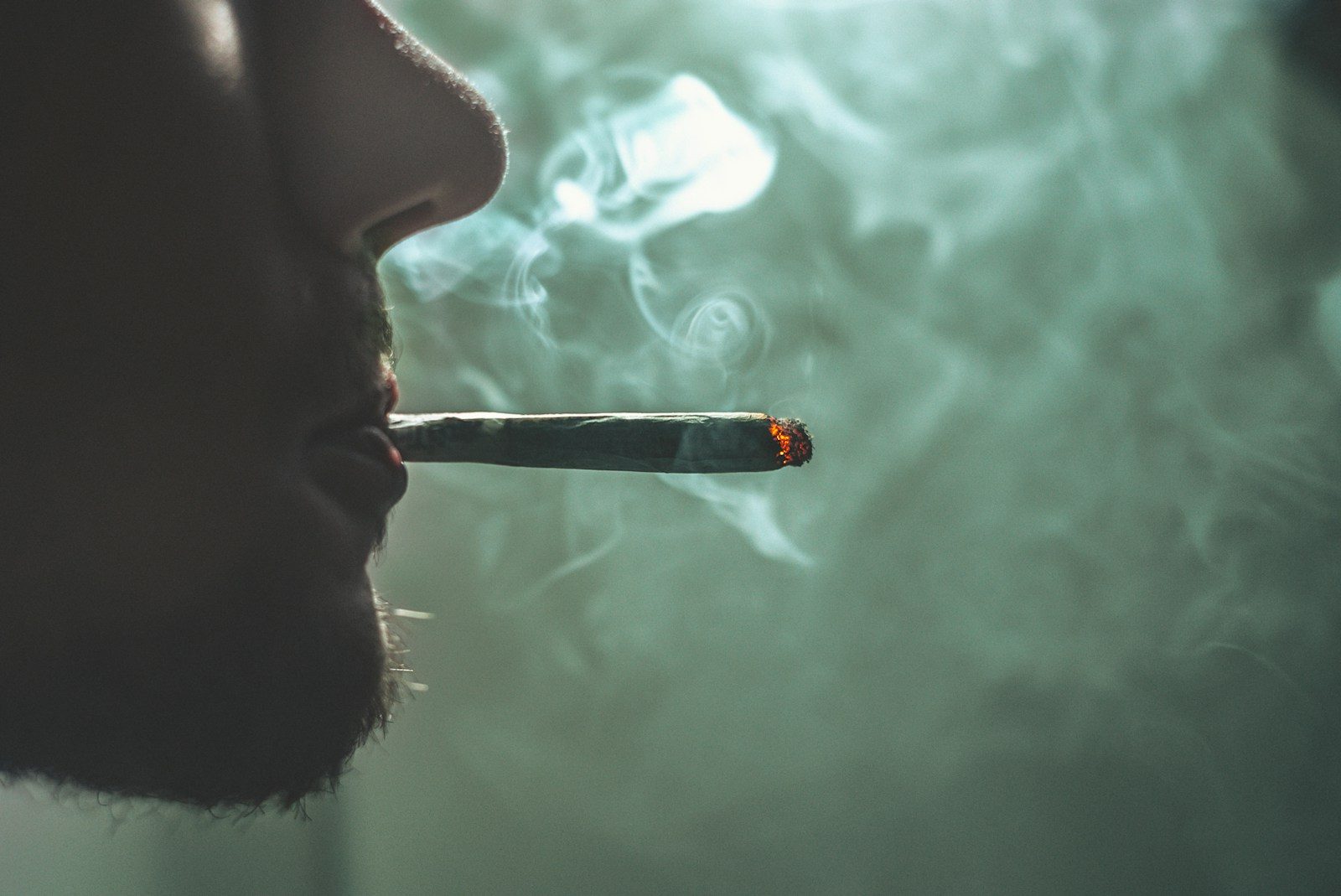
It is interesting to note that, according to historical accounts, the earliest evidence of cannabis use for the purposes of psychoactive benefits and ritual dates back around 2,500 years ago to western China, particularly in the Pamir Mountains. Archaeologists discovered wooden braziers with burned cannabis residue featuring high levels of THC.
Understanding the history of cannabis use is interesting, since this centuries-old practice may have gone on, but until this very day, it is still considered controversial. Whether it’s the best feminized and autoflower marijuana seeds, or from stores where you source your dose of cannabis, learning about its history will make you appreciate its benefits more. Let’s tackle!
What Is Cannabis?
Recognized as a drug, cannabis pertains to the dried leaves, flowers, stems, and seeds of the cannabis plant, grown from cannabis seeds. This plant features several chemical compounds, including THC, or tetrahydrocannabinol, containing intoxicating and mind-altering effects.
Cannabis contains the following main chemicals:
- THC: The main chemical responsible for causing a “high” or the mind-altering effects of cannabis.
- Cannabidiol: The chemical that does not cause a high but is responsible for helping reduce pain, inflammation, and anxiety.
The health benefits of taking cannabis are as follows:
- Lowers blood pressure
- Reduces inflammation
- Prevents relapse in drug and alcohol addiction
- Treats anxiety disorders
- Relieves gastrointestinal disorders
- Prevents seizures
- Fights cancer, among many others
History Of Cannabis Use
Origins From Western China
Cannabis and cannabis use feature a long and colorful history. Its use dates back to western China, in the area where you will find Mongolia and Tibet, plus more. Cannabis then was used for its healing properties, but they were only allegations during that time.
The first official and documented case of its use was in 2800 BC, when it was listed in the pharmacopoeia of Emperor Shen Nung, known as the father of Chinese medicine. A pharmacopoeia is like a witches’ potion book. It is an official book of quality standards, recipes, and guidelines for medicines, chemicals, and medical preparations.
Cannabis Use By Hindus, Assyrians, Greeks, And Romans
However, the patronage of cannabis for its therapeutic benefits was first seen in the texts of the Indian Hindus, Assyrians, ancient Greeks, and ancient Romans. These texts reported cannabis to be powerful in treating a vast array of different health conditions, such as arthritis, depression, amenorrhea, inflammation, pain, asthma, and even lack of appetite. Compare these to the health benefits published today, and you see a clearer picture.
Also, Hindu legends hold that Shiva, the supreme Hindu godhead in various sects, was given the title “The Lord of Bhang” because his favorite food was the cannabis plant. So, the ancient Hindus thought that the medical benefits of cannabis are obtained by pleasing gods such as Shiva.
There are also Hindu texts attributing the onset of fever to “the hot breath of the gods,” angered by the afflicted person’s behavior. Using cannabis is religious rites appeased the gods and hence, reduced the person’s fever.
The 16th Century And Cannabis In North America
It was during the 16th century when cannabis officially reached the Western hemisphere, but largely as industrial hemp, instead of a recreational drug, before it was widely used for medicinal purposes.
Spanish settlers introduced hemp to Chile in 1545, cultivating cannabis Sativa for its strong fibers. Then, European colonizers later brought hemp-growing traditions into North America, where the crop became much use for producing rope, sailcloth, sacks, thread, clothing, and other textiles.
Then, in Virginia, the first General Assembly of 1619 encouraged hemp production to develop and diversify the colonial economy. This hemp also appeared on plantations such as George Washington’s Mount Vernon, where it supplied rope, canvas, sewing thread, and materials for repairing fishing nets across the area.
Here’s A Timeline
Those were the most important highlights in the history of cannabis use. Meanwhile, here’s a timeline to give you a better understanding:
- Around 2800 BC: Cannabis was part of the Chinese emperor Shen Nung’s pharmacopoeia
- Also within BC years: Hindu god Shiva was bestowed the title “The Lord of Bhang,” since the cannabis plant was reported his favorite food
- 129 to 200 AD: Greek physician, surgeon, and philosopher in the Roman Empire Galen officially used cannabis for its mood enhancement and therapeutic properties
- 1841: Irish physician, chemist, and inventor William Brooke O’Shaughnessy introduced cannabis to Western medicine after living in India. He also wrote about the several therapeutic advantages of cannabis, including a case where cannabis reportedly stopped a child’s convulsions.
- 1898: During the Industrial Revolution, Dunstan and Henry isolated cannabinol
- 1936: Post-World War I and before World War II, a movie “Reefer Madness” demonized cannabis as a highly-addictive drug that may cause mental disorder and violence, according to that film
- 1937: Enter, the USA. The uses of cannabis for medicinal and recreational purposes were effectively taxed out of existence in this country by the Marijuana Tax Act
- 1940s: The decade of the Second World War, Adams and Todd independently isolated cannabidiol
- 1964: Before mankind’s first landing on the moon, Mechoulam isolated THC from the cannabis plant
- 1970: Due to the increasing patronage for cannabis, the United States introduced the Controlled Substances Act, listing cannabis as having “no accepted medical use and a high potential for abuse,” among the controversies surrounding it
- 1988: Howlett discovered CB1 receptors in the rat brain
- 1992 and 1993: Devane and Mechoulam discovered anandamide in 1992, and CB2 receptors – cell-signaling proteins in the body’s endocannabinoid system that help regulate immunity and reduce inflammation – were discovered in 1993, then more discoveries of compounds took place
- 1996: The legalization of cannabis use in California
- 1999: Endocannabinoids were discovered to activate TRPV1 receptors, or the receptors activated by the spicy compound in chilis
- 2012: A landmark moment when cannabis was shown to treat schizophrenia symptoms
- 2016 and 2017: Australia legalized medical cannabis
Concluding Statement
From its ancient origins as a sacred ritual and vital industrial fiber in Asia to its modern evolution into a cornerstone of global commerce and medicine, cannabis has persistently intertwined with human civilization. As legal landscapes shift across borders, understanding this complex history offers essential context for shaping future policies. Save money by growing your own cannabis in your own garden!