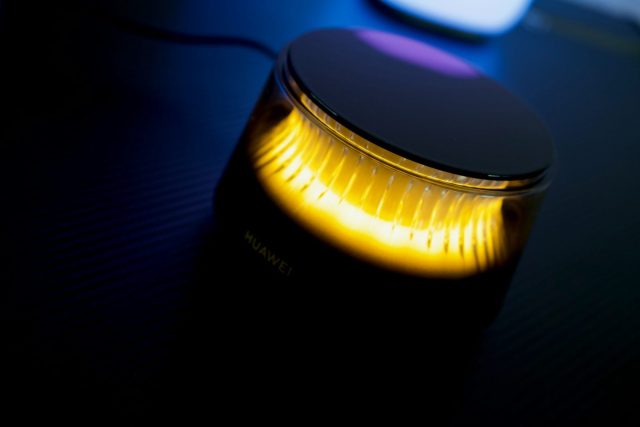
Small lighting upgrades can change how a home feels and works. A dim closet gets easier to use, a hallway feels safer at night, and a guest room becomes more welcoming without a full remodel. That is why compact accent lighting has become such a practical choice for everyday spaces.
To shape this guide, product specs, lighting guidance, and home improvement resources were reviewed to find the most useful ways these fixtures solve real household problems. LED lighting is widely valued for its efficiency, long life, low heat output, and focused light, making it a strong fit for small spaces where larger fixtures would feel awkward or excessive.
Why do they work in more places than people expect
Many homeowners first think of puck lights as a cabinet upgrade, but that barely scratches the surface of what they can do. Their biggest advantage is flexibility. Most puck-style options are compact, directional, and simple to mount, and many current models are battery powered or rechargeable, which means they can go almost anywhere without new wiring. Some also include magnetic mounting, adhesive backing, motion sensing, or remote operation.
That flexibility matters in spaces that often get ignored. Garages, utility corners, linen closets, mudrooms, and guest rooms usually need targeted light, not a large ceiling fixture. A puck light can brighten a workbench, help someone find a coat in a dark closet, or add a soft glow beside a guest bed.
There is also a comfort factor. Overhead lighting can feel harsh, especially late at night. A small, focused light gives a room just enough brightness for the task at hand. In a hallway, that might mean a gentle path to the bathroom. In a guest room, it might mean a reading light without flooding the whole room.
The smartest spots to use them at home
The garage is one of the most useful places for puck lights. Not every garage has even lighting, especially around shelves, tool benches, cabinets, and corners near the door. A few well-placed lights can make it much easier to sort hardware, check labels, or grab equipment early in the morning. Since LEDs send light in a specific direction, they are especially useful for task lighting where broad overhead light misses the target.
Closets are another easy win. A dark closet can waste time every single day. Adding compact lights under a shelf, on the side wall, or near the door can instantly improve visibility. Rechargeable or battery-powered models are especially helpful in closets that do not have an outlet nearby. Low heat output is another reason LEDs make sense in tighter storage spaces.
Kitchens are the classic use case, and for good reason. Under-cabinet lighting helps illuminate counters for meal prep, reading recipes, and finding items stored in deep corners. LEDs are ideal for tight spaces such as countertops due to their small size and directional light. That makes puck lights a smart option for homeowners who want better visibility without a major install.
Hallways often need only a little light, especially at night. This is where motion-sensing puck lights stand out. Instead of turning on a bright overhead fixture, a small sensor light can activate when someone walks by. That feels more comfortable for children, guests, and anyone moving through the house after dark.
Guest rooms benefit differently. A puck light can act as a bedside accent, shelf light, or temporary reading light in rooms that do not get used every day. It can also make a space feel more thoughtful. Guests may not know where the main switch is, and they may not want a bright ceiling light late at night. A small light near the bed, dresser, or doorway solves that problem fast.
How to choose the right setup for each room
The best result comes from matching the light to the job. In a garage or workspace, brighter output and a firmer mount matter most. In a hallway or guest room, softer light and easier controls may matter more.
Power source should be the first decision. Rechargeable models work well in high-use areas like kitchens and closets. Battery-powered options make sense for occasional use, emergency backup, or places where charging would be inconvenient. Waterproof styles can also be useful in damp utility spaces or for households that want a more rugged option.
The mounting method is next. Magnetic bases are useful on metal shelving or garage storage. Adhesive mounting is better for finished walls, cabinets, and furniture. If the goal is quick installation with little mess, that detail matters as much as brightness.
It also helps to think in layers. One puck light may solve a problem, but two or three often create a cleaner, more balanced result. A line of lights under a cabinet, a pair beside garage shelving, or one near the guest bed and another by the door can make the space feel intentional instead of patched together.
A small lighting change that pays off every day
The best home upgrades are often the ones people use without thinking about them. That is exactly where puck lights shine. They can make garages more functional, closets easier to navigate, kitchens safer for prep, hallways gentler at night, and guest rooms more comfortable for visitors.
For homeowners who want a fast, flexible improvement, puck lights offer more range than their small size suggests. A few places with purpose can make everyday spaces work better, feel warmer, and require far less effort than a full lighting overhaul.