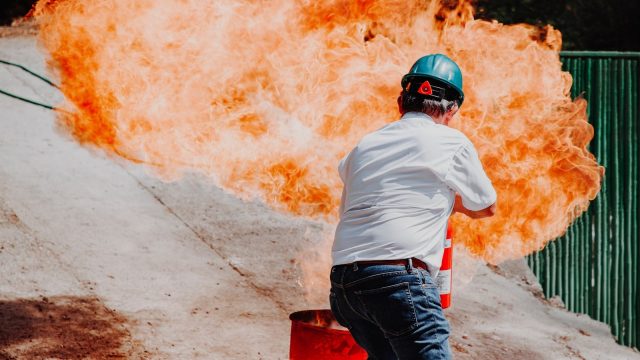
Fire emergencies can occur unexpectedly in offices, factories, malls, warehouses and other commercial spaces. In such situations, delayed response or confusion during evacuation may increase the risk of injuries, property damage and operational disruption. While safety equipment and preventive systems are important, regular fire drills also play a major role in improving emergency preparedness.
Along with having proper fire insurance, conducting timely fire drills may help businesses respond more effectively during emergencies. These drills familiarise employees with evacuation procedures, emergency exits and safety protocols.
What are Fire Drills?
Fire drills are practice sessions organised to help people prepare for possible fire emergencies inside a building. They are designed to test evacuation procedures and guide occupants on how to leave the premises safely and quickly during an actual emergency.
For organisations covered under business insurance, fire drills may also support broader workplace risk management and safety planning efforts. Commercial establishments often involve multiple employees, visitors and operational areas.
Fire drills usually involve:
- Testing fire alarms
- Practising evacuation procedures
- Identifying assembly points
- Coordination with emergency response teams
- Reviewing emergency communication systems
Why Fire Drills are Important for Commercial Properties
Improve Emergency Response
Conducting fire drills on a regular basis helps employees become more aware of evacuation routes and emergency procedures within the workplace. When people are familiar with what needs to be done during a fire emergency, it can improve coordination and reduce confusion during critical situations.
Reduce Panic During Emergencies
When people already know the evacuation process and safety instructions, they are less likely to panic during an emergency. Fire drills give employees practical exposure to emergency procedures and help them respond in a more organised manner if a real incident occurs.
Identify Safety Gaps
Fire drills can also reveal practical safety issues within a commercial property, including inaccessible exits, alarm failures or confusion during evacuation. Fixing these problems early may help businesses strengthen their emergency preparedness and improve safety standards inside the premises.
Support Safety Compliance
In many workplaces, fire safety preparedness forms an important part of overall safety management. Regular fire drills can help businesses ensure that employees are familiar with emergency procedures and that evacuation practices are carried out in an organised manner.
Protect Lives and Business Operations
Quick evacuation and proper emergency response may reduce injuries and minimise operational disruption. This is especially important for businesses that handle large crowds, machinery or hazardous materials.
How Fire Insurance Complements Fire Safety Planning
Although fire drills and preventive safety measures may help reduce risks during emergencies, businesses can still face financial losses because of damaged property, equipment or interrupted operations. In such situations, fire insurance may provide financial support for covered losses and help businesses recover more effectively after an incident.
Insurance providers such as TATA AIG also offer coverage options for commercial properties and business-related risks. Along with regular fire drills and preventive measures, having suitable insurance protection may help businesses handle unexpected losses.
Conclusion
Regular fire drills play an important role in improving safety preparedness within commercial properties. They help employees become more familiar with emergency procedures, support quicker evacuation and allow businesses to identify areas where safety measures may need improvement.
Combining fire safety measures with suitable fire insurance protection may help businesses reduce operational risks and manage financial uncertainties in the event of fire-related incidents.