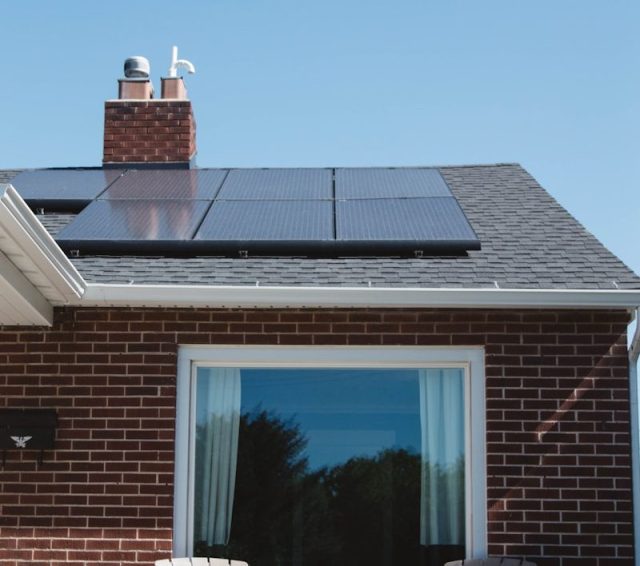
Lowering your energy bills doesn’t always require major renovations or expensive equipment. In fact, some of the most impactful changes are surprisingly simple. You just have to be willing to invest the time to select and implement the right upgrades in your home.
By taking small, intentional steps, you can make your home noticeably more comfortable and significantly lower your monthly energy bills, without breaking the bank.
Here’s how you can dramatically improve your home’s energy efficiency in six simple, practical ways.
1. Seal Up Drafty Windows and Doors
Drafty windows and doors quietly drain energy (and money) all year round. Those small leaks around windows and exterior doors let conditioned air escape, causing your HVAC system to work overtime.
Start by checking for drafts using a simple test: Light a candle and slowly move it around window frames and door edges. If the flame flickers or shifts, you’ve found an air leak.
Next, use weather stripping, foam tape, or caulk to seal these leaks tightly. Weather stripping is excellent for doors, while caulk works best for window frames. Both are inexpensive and can be found at any hardware store. They typically pay for themselves within a few months through reduced energy bills.
2. Upgrade Your Home’s Insulation
Proper insulation is one of your home’s most critical defenses against wasted energy. Poor or insufficient insulation means your heating and cooling systems must work harder, burning through more energy to maintain comfortable indoor temperatures.
Check your attic first. Many homes have inadequate attic insulation, which allows heat to escape rapidly during the winter and seep inside during the summer months. Adding additional insulation – such as batt insulation, blown-in insulation, or spray foam – can dramatically improve your home’s thermal efficiency.
Don’t overlook smaller spaces either. Insulating ductwork, crawl spaces, and even your basement can significantly reduce heat loss and improve comfort. While adding insulation requires an upfront investment, the payoff in lower energy bills can be substantial and long-lasting.
3. Upgrade to Energy-Efficient Windows
Your windows are more than just a way to let natural light into your home – they’re critical to your home’s overall energy performance. Older, single-pane or improperly sealed windows can cause significant heat transfer, making your home feel drafty in winter and uncomfortably warm in summer.
By upgrading to energy-efficient windows, you dramatically reduce unwanted heat exchange. Look for windows labeled ENERGY STAR certified, as these meet strict efficiency guidelines set by the U.S. Department of Energy.
Energy-efficient windows often include advanced features such as double- or triple-pane glass, insulating gas fills, and special coatings to reflect heat. Though the initial investment may be higher, the comfort improvements and long-term energy savings make this upgrade particularly impactful. Many homeowners find that high-quality windows pay for themselves over several years in reduced heating and cooling costs.
4. Make the Switch to LED Lightbulbs
If your home still relies on incandescent bulbs, you’re wasting energy every day. LED bulbs use at least 75 percent less energy than traditional incandescent bulbs and last considerably longer – often several years per bulb.
While the initial cost of LED bulbs is slightly higher, the long-term savings are impressive. Switching your home’s lighting to LEDs can reduce your electricity costs by hundreds of dollars annually, making this one of the easiest and most affordable upgrades available.
Plus, LED bulbs come in various brightness levels and color temperatures, ensuring your home lighting remains warm and inviting.
5. Install a Smart Thermostat
Your heating and cooling system accounts for a significant portion of your home’s energy usage. A smart thermostat lets you control and automate temperature settings efficiently, reducing energy consumption without sacrificing comfort.
Unlike older programmable thermostats, smart thermostats adapt to your lifestyle, learning your schedule and adjusting temperatures accordingly. They can be controlled remotely via your smartphone. This allows you to fine-tune your home’s temperature settings from anywhere. (Even better, some energy providers offer rebates or discounts when you install a smart thermostat, meaning this upgrade can quickly pay for itself in energy savings.)
6. Unplug Idle Electronics and Use Smart Power Strips
You might not realize it, but electronics plugged into outlets can still draw power – even when they’re turned off. This phenomenon, known as “phantom power” or “vampire draw,” quietly adds to your energy bills every month.
The easiest way to combat phantom power is by unplugging electronics and chargers when they’re not in use. For convenience, consider investing in smart power strips. These strips automatically shut down power to devices not in use, eliminating phantom draw without constant unplugging.
Small Steps, Big Savings
Boosting your home’s energy efficiency doesn’t have to involve major renovations or overwhelming costs. By doing some of the things discussed in this article, you can achieve immediate and lasting improvements in comfort and savings.
The key is consistency, though. Implementing even one of these steps can lead to measurable gains, but combining several strategies creates a powerful multiplier effect. You’ll feel it in your home’s comfort, notice it in your reduced energy bills, and appreciate all of the other long-term benefits.