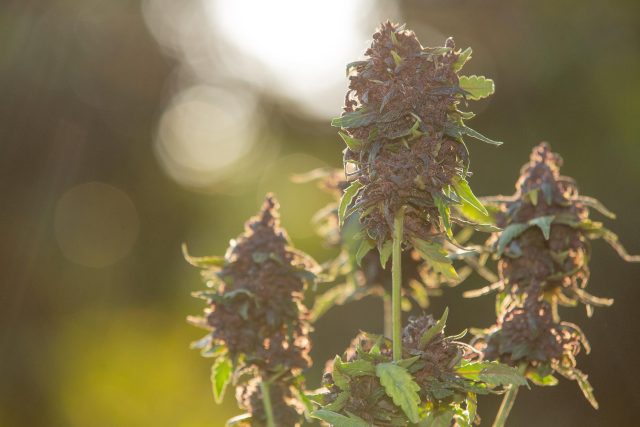
Screens that flicker, notifications that interrupt, messages expecting instant replies. The feeling of not being able to disconnect has become a constant among young professionals and creators, caught between productivity and exhaustion. Out of that tension, a collective search has emerged to regain calm—a return to the essentials, with CBD taking center stage. It’s no longer about following trends, but about finding a simple refuge from the digital anxiety that dominates modern life.
The Invisible Fatigue of Hyperconnection
Workdays no longer end when the computer is shut off. Many workers continue checking emails from their phones, endlessly scrolling or staying glued to social media, even into the early hours. This constant exposure disrupts sleep, raises stress levels, and causes a mental fatigue that’s hard to measure. In the face of that digital noise, CBD has emerged as an unexpected ally. More and more people are buying CBD flowers, oils, gummies, and other products to create moments of disconnection in their routines. They’re not chasing euphoria or escapism—they’re looking for balance: a way to perform without burning out, and to relax without forming an addiction.
Interest in CBD is growing especially among those who rely on their creativity or mental performance. Programmers, designers, writers, and musicians admit that stress linked to endless productivity makes it hard to concentrate. For many, incorporating CBD into their daily lives is a way to slow down without losing functionality. This shift in mindset reflects a collective fatigue toward constant hyperconnection and a real need for calm without developing chemical dependence that may lead to an addiction. CBD is not addictive because it does not activate the brain receptors responsible for dopamine reinforcement—that is, the ones that produce feelings of euphoria or dependence. Unlike THC, it does not cause significant alterations in perception or the central nervous system. Moreover, studies from the World Health Organization confirm that CBD has no potential for abuse or withdrawal effects. That’s why it is considered a safe substance, even with prolonged use under responsible supervision.
CBD and Mental Health: A Sign of Generational Change
The rise of CBD also points to a deeper transformation: mental health has become a priority. Where once admitting to anxiety or insomnia was seen as weakness, now it’s an open conversation. Young people have stopped normalizing chronic exhaustion and are starting to explore natural solutions that don’t disconnect them from their routines but help them live them more mindfully. CBD fits perfectly into this search: it’s discreet, adaptable, and aligned with a lifestyle that values well-being without excess.
From a scientific perspective, recent studies show that CBD acts on the endocannabinoid system—a network of receptors that regulate functions like sleep, mood, and stress response. Research published in journals such as Frontiers in Pharmacology and Neurotherapeutics suggests that cannabidiol helps modulate cortisol levels (the stress hormone) and activates serotonin receptors, which helps reduce anxiety and improve sleep. While research is still ongoing, the growing evidence supports the idea that CBD can be an effective natural support for those looking to maintain emotional balance without turning to traditional medications.
More and more therapists and coaches now recommend incorporating moments of digital rest, breathing exercises, or products that help calm the mind. In this context, CBD becomes a complementary tool to reconnect with oneself—without big promises or miracle cures. The key is consistency: resting without completely disconnecting, reducing anxiety without isolating oneself.
A Symbol of Resistance Against Tech Overload
CBD has gone from being an alternative product to becoming a symbol of cultural resistance. In a society that worships speed, it represents the opposite: pause, presence, and authenticity. Its growing popularity reflects a generational shift toward a more honest form of wellness—less performative, more emotionally aligned. For many, it’s part of a new self-care language, a way to regain control without giving up on digital life. This shift is as social as it is personal. It speaks to a collective desire to reclaim silence, focus, and real rest. In an age where everything is measured by productivity, CBD stands out as a reminder that calm can also be a form of success.
Mama Kana and the New Culture of Realistic Self Care
Amid this cultural shift, brands like Mama Kana are redefining what self-care means. Their philosophy distances itself from wellness clichés and focuses on offering high-quality, transparent, and accessible products that help people care for their balance without gimmicks. Mama Kana has positioned itself as a leader in the CBD market thanks to its commitment to authenticity and traceability. It doesn’t just sell products—it educates and supports consumers through a more mindful process, advocating for responsible CBD democratization.
Their approach especially resonates with a generation seeking guilt-free wellness. A generation that no longer chases perfection or extreme performance, but rather serenity. Mama Kana understands that self-care isn’t about completely disconnecting, but about finding genuine pauses within a fast-paced world. And that’s why their community keeps growing—among those looking for honest products and a calm experience in the midst of overwhelming stimuli.